The Ultimate Starter Guide to Norweco Singulair Green
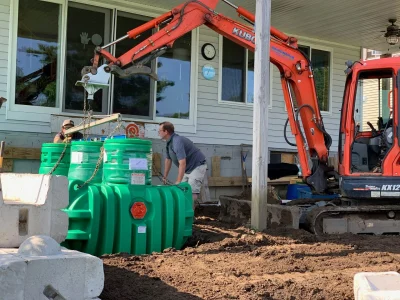
If you are researching the norweco singulair green, chances are you are trying to solve a practical problem, not chase a trend. You may be building on rural property with no municipal sewer service. You may be replacing an aging septic setup that never quite performed the way it should. Or you may have inherited a treatment unit with paperwork so vague that every service visit feels like detective work.
That is usually how people arrive here.
The Norweco Singulair Green sits in a category that confuses many first time owners because it is not simply a standard septic tank and it is not quite the same as a large commercial treatment plant. It is a residential wastewater treatment system designed to do more than settle solids. It actively treats wastewater through staged processes, which can produce cleaner effluent than a basic gravity septic system under the right conditions and with proper maintenance.
That last part matters. I have seen excellent treatment units underperform because no one serviced the aeration equipment for years, and I have seen average sites work surprisingly well because the owner paid attention, asked smart questions, and kept up with routine inspections. Equipment matters, but owner understanding matters too.
What the Norweco Singulair Green actually is
At its core, the Norweco Singulair Green is a home wastewater treatment system. Instead of relying only on passive settling and soil absorption, it uses a more controlled biological treatment process. Wastewater from the house enters the unit, solids settle, air supports aerobic treatment, and the water moves through stages intended to reduce organic matter and improve effluent quality before final discharge or dispersal, depending on the site design and local rules.
That sounds technical, but the practical takeaway is simple. A system like this is built to treat wastewater more aggressively than a conventional septic tank alone.
For homeowners, this can be especially useful on challenging lots. Small parcels, poor native soils, high seasonal water tables, shoreline properties, and sites with tighter environmental oversight often need better treatment before effluent reaches the soil or a discharge point. In those settings, the norweco singulair green often comes up because regulators, engineers, and installers know the product line and its treatment approach.
It also helps to understand what it is not. It is not maintenance free. It is not a drop in fix for every drainage issue on a bad site. And it is not a license to treat your plumbing system carelessly. Even a good treatment unit can be overwhelmed by grease, wipes, disinfectant overuse, hydraulic surges, or neglected mechanical parts.
Why homeowners choose this kind of system
Most people do not choose advanced treatment because it sounds exciting. They choose it because the property demands it, or because they want better wastewater performance than an old style system can deliver.
On paper, the advantages are straightforward. Advanced treatment can improve effluent quality, make development possible on lots where a basic system may not be approved, and in some cases reduce environmental risk to nearby wells, streams, lakes, or shallow groundwater. In practice, the decision usually comes down to a combination of site limitations and long term peace of mind.
I once walked a property with a homeowner who was frustrated because every contractor had given a different opinion. The lot had heavy clay in one area, shallow limiting conditions in another, and a narrow buildable envelope. A standard septic concept looked possible only with expensive site work and little margin for error. An advanced treatment unit paired with the right dispersal design made the layout workable. It was not the cheapest bid on day one, but it was the first option that matched the site instead of trying to force the site to match the system.
That is often the real value. The norweco singulair green is part of a solution set for difficult conditions.
How treatment differs from a basic septic setup
A conventional septic system does two broad things. It separates solids in the tank, then relies heavily on the soil treatment area to finish the job. That approach can work very well when the soil is suitable, the loading rate is appropriate, and the system is maintained.
An advanced unit like the Norweco Singulair Green adds another treatment layer before the effluent reaches the final dispersal point. The biological treatment inside the unit can reduce the burden placed on the downstream field or discharge setup. When everything is operating properly, that means cleaner water leaving the treatment chamber than you would expect from simple tank settling alone.
That does not mean the soil side stops mattering. Homeowners sometimes assume an advanced unit makes the drainfield almost irrelevant. It does not. The final dispersal component still needs proper design, installation, and protection from compaction or flooding. The treatment unit and the soil dispersal area are partners. If one side is neglected, the whole system suffers.
Where the system tends to make sense
The best fit depends on local code, site conditions, and household habits, but certain scenarios come up again and again.
Small lots are a common one. When setbacks and available area are tight, better pretreatment can help an engineer design a compliant system. Waterfront or environmentally sensitive properties are another. Regulators are often more cautious where nutrient and bacterial impacts could reach surface water quickly. Homes with seasonal occupancy can also be interesting cases. A well designed advanced treatment system can work on these sites, but periods of low use and sudden peak use need to be considered carefully.
I would add one note of realism here. A sophisticated treatment system is not automatically better for every property. If you have ideal soils, generous space, and a simple gravity layout, a conventional septic system may remain the most practical choice. More equipment brings more service needs. The right answer is the one that matches the lot, not the one with the most technology.
The components you should expect to hear about
Even if you never plan to service the unit yourself, it helps to know the language. When a contractor or service provider starts talking about blowers, aeration chambers, clarification, sludge levels, or effluent quality, you should be able to follow the conversation without guessing.
Most residential treatment systems in this class include a treatment tank or series of compartments, an aeration mechanism, internal recirculation or clarification features, control components, and a downstream discharge or dispersal arrangement. The exact layout varies by model, local permitting requirements, and installation design.
The mechanical heart of the unit is especially important. Aerobic treatment depends on introducing air in a reliable way. If the air delivery side is neglected or fails quietly, the system may still appear to be functioning from the homeowner’s perspective because toilets flush and drains empty. Meanwhile, treatment performance can slip for weeks or months before anyone notices. That is why regular service is not just a formality. It is how you confirm the system is doing more than moving water around.
What installation quality changes
A treatment unit can have strong engineering behind it and still disappoint if the installation is sloppy. That is true across the wastewater industry, and it is worth saying plainly because product discussions often drown out jobsite reality.
Grade matters. Tank elevation matters. Watertight connections matter. Electrical setup matters. Venting matters. Access risers matter. The downstream dispersal design matters. So does traffic protection. I have seen owners spend good money on treatment equipment only to discover years later that one of the most expensive problems came from something basic, such as poor water management around the tank area or inadequate access for future service.
If you are still in the planning phase, ask your installer how the system will be serviced once the yard is restored. Ask where the access points will sit relative to final grade. Ask what alarms or indicators are included and what they mean. Ask how rainwater runoff will be kept away from the tank area. These are not minor questions. They affect whether ownership feels manageable or frustrating.
The maintenance reality most brochures soften
Every wastewater system needs maintenance, but advanced treatment units need more attention than passive systems. That is not a flaw. It is the trade off for higher treatment performance and flexibility on tougher sites.
The good news is that routine maintenance is usually predictable. A qualified provider inspects the unit, checks operating components, evaluates sludge and scum accumulation, confirms aeration function, and looks for signs of hydraulic or biological stress. Depending on the jurisdiction, you may also have required service intervals, monitoring, or reporting.
A healthy maintenance relationship is one of the best investments an owner can make. The homeowners who have the fewest unpleasant surprises are usually the ones who know who services the unit, keep records in one folder, and call early when something seems off.
Watch for these common warning signs:
- Persistent sewage odors near the treatment area or venting points.
- Unusually wet or soggy soil around the tank or dispersal area.
- Plumbing drains slowing down across multiple fixtures at once.
- Alarm lights, buzzers, or unexplained power interruptions.
- Sudden changes after heavy household water use, guests, or storms.
None of those signs automatically points to a catastrophic failure. Sometimes the issue is a tripped breaker, overdue pumping, a blocked effluent path, or infiltration from surface water. Still, systems rarely improve by being ignored.
Pumping, service visits, and the question everyone asks
Sooner or later, every homeowner asks some version of the same thing: how often does a Norweco Singulair Green need pumping?
There is no honest one size fits all answer because pumping frequency depends on tank capacity, household size, sludge accumulation, water use patterns, and whether the system is receiving things it should never receive. A lightly occupied two bedroom home may accumulate solids very differently from a busy house with teenagers, frequent guests, and a garbage disposal that sees hard use.
What matters is measured accumulation and professional inspection, not wishful thinking. Some owners hear a generic septic rule from a neighbor and assume it applies everywhere. That can lead to overpumping, which wastes money, or delayed pumping, which risks carryover of solids into treatment and dispersal components. Ask your service provider to document sludge and scum observations and explain how those levels relate to pumping recommendations. A good answer should sound specific to your household, not copied from a flyer.
How to live with the system without babying it
People sometimes overcorrect after installing an advanced treatment unit. They become afraid to use water, afraid to clean the house, and afraid every toilet flush might break the system. That is unnecessary. The goal is normal, informed use.
A few habits make ownership much easier:
- Spread out heavy water use instead of stacking laundry, long showers, and dishwasher cycles into one tight window.
- Keep wipes, grease, feminine hygiene products, and harsh nonflushable materials out of the plumbing.
- Use cleaning products sensibly, especially strong disinfectants and drain chemicals.
- Protect the treatment and dispersal areas from vehicle traffic and unnecessary soil compaction.
- Keep service records, pump out records, and installer information where you can find them fast.
The key word is sensibly. A treatment system can handle ordinary life. What causes trouble is repeated abuse or major hydraulic swings. Holiday weekends are a classic example. A house that normally hosts two people suddenly hosts ten, everyone showers, the washing machine runs nonstop, and the kitchen sink sees more grease in two days than it does in a month. The system may recover fine, but repeated peaks like that are not ideal. If you know those surges are coming, manage water use where you can.
Common misconceptions that lead to expensive calls
One misconception is that clearer effluent means the system is healthy. Visual appearance alone tells you very little. Treatment performance involves what is happening biologically and chemically, not just whether water looks clean to the eye.
Another is that additives will solve neglect. Homeowners are regularly marketed septic treatments, enzymes, boosters, and miracle packets. Some are harmless, some are questionable, and few replace proper maintenance. If a system has a mechanical issue, hydraulic overload, solids buildup, or a damaged component, a norweco singulair green bottle is not going to fix it.
There is also a persistent belief that if no alarm is sounding, everything must be fine. Alarms help, but they do not catch every problem immediately. Quiet decline is common in wastewater systems. That is why regular inspection remains important even when the yard looks normal and the plumbing seems okay.
Finally, some owners assume all wastewater contractors understand all advanced units equally well. They do not. Experience varies. If you own a norweco singulair green, ask how often the provider services that exact product line or similar aerobic treatment units. Familiarity matters.
Questions worth asking before you buy or inherit one
If you are shopping for property or reviewing proposals, the quality of your questions can save you years of frustration. You do not need to become an engineer. You do need enough clarity to understand what you are responsible for.
Ask whether the system is being proposed because of code requirements, site constraints, or owner preference. Ask what maintenance contract terms are typical in your area. Ask whether replacement parts are readily available. Ask what kind of alarm or control panel is included and how an owner should respond if it activates. Ask where treated effluent goes next, because that downstream path affects your risk profile and maintenance obligations just as much as the treatment unit itself.
If you are inheriting an existing setup, ask for the permit file, as built drawing if available, recent service records, pump out history, and contact information for the current service company. In real estate transactions, this paperwork is often treated like background noise. It should not be. A thin folder full of missing years usually tells you as much as the records that are actually present.
Cost, value, and the trade offs people feel later
It would be misleading to discuss the Norweco Singulair Green without addressing cost. Advanced treatment systems usually carry higher upfront and ongoing costs than simple gravity septic systems. There is more equipment, more service involvement, and often more administrative oversight. Those costs are real.
What owners get in return can also be real. Better treatment performance, more viable design options on difficult lots, and in some cases the ability to build where a conventional solution would be impractical or impossible. For certain sites, that is not a luxury, it is the price of approval.
The trade off becomes frustrating only when buyers do not understand it at the start. If someone is sold an advanced unit as if it were basically a standard septic tank with a nicer label, disappointment is almost guaranteed. If they understand that they are buying a treatment system that rewards maintenance and site appropriate use, ownership tends to go much more smoothly.
When to call for help sooner rather than later
The worst time to look for a service provider is when sewage is backing up and guests are arriving in two hours. Advanced systems reward quick intervention. Small issues often stay small when caught early.
Call your service company if you notice repeated odors, alarms, surfacing water, abrupt changes in drainage behavior, unexplained wet spots, or electrical irregularities involving the unit. Also call if the home’s occupancy changes dramatically. A seasonal cabin converted to full time use, or a retirement home that now hosts extended family all summer, may be operating under a very different loading pattern than the original design assumed.
A brief service call and adjustment is much cheaper than allowing solids to migrate where they should not, overloading a dispersal area, or ignoring an aeration problem until treatment quality drops significantly.
A practical way to think about ownership
The most useful mindset is neither fear nor complacency. Think of the norweco singulair green the way you would think about a boiler, a private well, or any other important residential system that works best with informed oversight. You do not need to obsess over it. You do need to respect it.
Learn the location of the components. Know who services it. Keep records. Use water and plumbing fixtures like someone who understands where the waste goes after it leaves the house. If you do those things, you are already ahead of many owners.
That is the starter guide most people actually need. Not just a description of the product, but a realistic sense of how it fits into daily property ownership. The system is there to do a serious job quietly and consistently. When it is properly designed, correctly installed, and competently maintained, it can do that job very well.
Excavating New Jersey LLC
406 County Rd 565, Wantage, NJ 07461, United States
+1 973-791-4284
FAQ About norweco singulair green
How much does a NORWECO septic system cost?
The installed cost depends on the selected unit, engineering, site access, excavation, electrical work, disposal-field design and required approvals. A tank-only price is not a complete installation quote. Ask Excavating New Jersey LLC for a site-specific, itemized estimate that also explains ongoing service costs.
How does a Norweco septic system work?
The Singulair Green uses pretreatment, aeration, clarification and filtration to treat domestic wastewater. In the aeration chamber, oxygen supports bacteria that break down organic material. The Bio-Kinetic unit provides further filtration and flow equalization. Final effluent disposal must follow the property's approved design and applicable requirements.
What is the average lifespan of a septic system?
There is no guaranteed lifespan for every system. Design, installation, soil conditions, wastewater loading and regular maintenance all matter, and mechanical parts may need replacement before the tank. For a Singulair Green system, follow the manufacturer's service schedule and have a qualified provider assess its condition and pumping needs.